For motorcycle enthusiasts, the thrill of the open road is a feeling like no other. Whether cruising through scenic landscapes or embarking on an epic cross-country journey, having a well-organized bikers’ bag is essential for a successful and enjoyable ride. The ability to maximize storage and keep your gear well-arranged can make the difference between a smooth, stress-free trip and one filled with hassles.
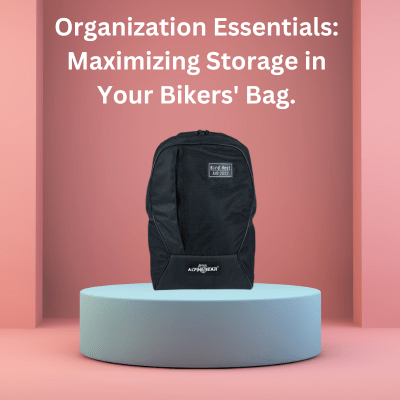
In this article, we’ll explore the organization essentials that help you make the most of your bikers’ bag, ensuring you’re prepared for any adventure.
1. Prioritize Essentials
The key to effective organization in your bikers’ bag is prioritizing essentials. Determine what items you’ll need for your ride, such as spare clothing, rain gear, tools, and first-aid supplies. Make a list of these essentials before packing your bag to ensure you take advantage of all crucial items.
2. Packing Cubes and Pouches
Packing cubes and pouches are invaluable for maximizing storage and organizing your gear. Use these compartments to separate different categories of items. For example, you can use one cube for clothing, another for toiletries, and pouches for small accessories like earplugs, chargers, and keys. This method prevents your gear from becoming a jumbled mess and makes it easy to locate specific items.
3. Roll, Don’t Fold
When packing clothing, consider rolling your garments instead of folding them. Rolled clothing takes up less space and reduces wrinkles. It’s also easier to access particular items without disrupting the entire bag’s contents.
4. Utilize Compression Bags
Compression bags are designed to remove excess air from your clothing, allowing you to pack more efficiently. These bags can make a significant difference in the amount of space you have in your bikers’ bag. Vacuum-sealed bags are also an option for saving space and keeping clothing airtight.
5. Smart Placement
Be strategic about where you place items in your bag. Heavier items should be packed at the bottom to lower the bag’s center of gravity and improve riding stability. Lighter, more accessible things can go on top.
6. Protect Fragile Items
Fragile items like electronics or sunglasses require special attention. Invest in protective cases or padded sleeves to safeguard these items from damage. Please place them in an easily accessible location in your bag to prevent accidental harm.
7. Emergency Essentials
Remember essential emergency items like a first-aid kit, toolset, tire repair kit, and rain gear. These items should be packed in a way that allows for quick access, as they may be needed in unexpected situations on the road.
8. Quick-Access Pockets
Your bikers’ bag should have designated quick-access pockets or compartments for items you need on the go, such as your wallet, phone, or a map. These pockets should be easily reachable while riding to minimize stops and distractions.
Why is it crucial to strategically place heavier and lighter items in your bikers’ bags?
Being strategic in placing heavier and lighter items in your bikers’ bag is crucial for several important reasons, all of which contribute to your safety, comfort, and overall riding experience:
Balance and Stability: A well-balanced load ensures that the weight is distributed evenly on your motorcycle. Placing heavier items at the bottom and closer to the center of the bike’s gravity point lowers the bike’s center of gravity. This, in turn, enhances stability, especially during high-speed rides and when navigating corners.
Improved Handling: Proper weight distribution and balance lead to better motorcycle handling. It reduces the chances of wobbling or instability, making your ride safer and more enjoyable.
Reduced Fatigue: When heavy items are positioned correctly, your motorcycle is less likely to feel “top-heavy.” It reduces the physical effort required to control the bike, minimizing rider fatigue during long rides.
Safer Turns and Stops: Correctly distributed weight enhances your ability to make turns and come to a stop smoothly. It reduces the risk of overloading the front or rear wheel, which can lead to skidding or loss of control.
Less Strain on Suspension: Proper weight distribution puts less strain on your motorcycle’s suspension system. Overloading one end of the bike can cause the suspension to bottom out, resulting in discomfort and a bumpy ride.
Optimal Traction: Maintaining balanced weight distribution maximizes traction. It is essential when riding in different road conditions, such as wet or uneven surfaces, as it helps prevent wheel spin.
Emergency Maneuvering: In emergencies, you’ll be better equipped to respond quickly and effectively if your bike is well-balanced. It can make a critical difference in avoiding accidents.
Prevention of Toppling: Placing heavy items too high or to one side can increase the risk of your bike toppling when parked, especially on uneven ground. Proper distribution minimizes this risk.
Comfort and Control: A well-balanced load results in a more comfortable and controlled ride. It allows you to focus on the road ahead without being distracted by the sensation of instability or excessive weight on one side.
Improved Tire Life: Balanced weight distribution reduces uneven tire wear. When the weight is evenly distributed, your tires are more likely to wear evenly, extending their lifespan.
Conclusion:
Maximizing storage and maintaining efficient organization in your biker’s bag is the key to an enjoyable and hassle-free motorcycle journey. By prioritizing essentials, packing cubes and pouches, rolling clothing, utilizing compression bags, placing items strategically, protecting fragile gear, carrying emergency essentials, and ensuring quick access to necessary items, you can maximize your bikers’ bags. With a well-organized bag, you’ll be prepared for any adventure that comes your way, leaving you free to focus on the thrill of the open road.
 Global Marketing
Leave a comment